Mid-sized digital teams often struggle to balance constant real-time chat with structured, asynchronous project boards. Based on workflow evaluations across distributed teams, choosing software that prioritizes focused deep work over instant notification streams reduces cognitive fatigue while keeping deliverables on schedule.
Managing Notification Load and Deep Work Hours
Real-time notification systems encourage immediate responses at the cost of deep focus. Platforms built around asynchronous status updates allow team members to address task comments during dedicated review blocks rather than interrupting active sprint work. This structural shift significantly reduces workplace context switching.
Evaluating Dependency Tracking and Milestone Visibility
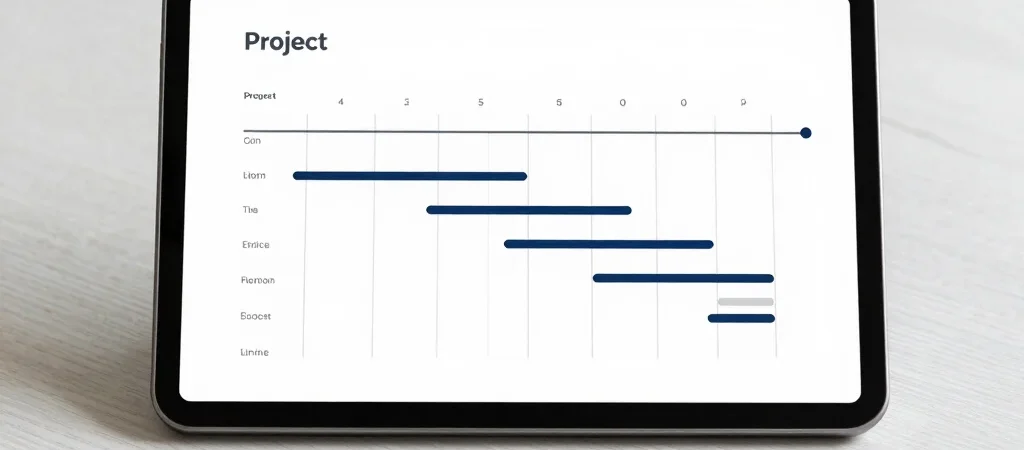
Complex initiatives demand explicit task dependencies and visual timeline mapping. While lightweight Kanban tools excel at daily task triage, enterprise projects require robust Gantt charts and critical path calculations to prevent resource bottlenecks. Matching feature complexity to your actual team size prevents unnecessary software overhead.
Standardizing Team Onboarding and Platform Migration
Switching project management software creates temporary friction regardless of feature superiority. Teams should run a structured pilot with one department to refine permission structures, custom fields, and reporting dashboards before rolling out the tool enterprise-wide. Clear migration protocols ensure long-term platform adoption.